Your patients love you.
Your website doesn’t show it.
You earned a five-star reputation in person. On a phone, a four-second delay sends a new patient to the next pin. What walks away isn’t one cleaning — it’s years of recall, the family they’d have brought, and the case you’d have caught a year in.
Most dentists never see them leave. We do.
See if your website is losing patientsStarting at $1,500. See a sample proposal before you send the URL.
Don’t let your website
be the reason for less revenue.
It’s 9pm. Someone searches “dentist near me.” They tap your pin first. Your site hangs. They swipe back and book the next one.
You will never know they existed. And what walks away isn’t a single visit — it’s years of recall, the family they’d have brought, and the case you’d have caught a year in.
Every silent bounce takes the whole arc.
Across 247 South Carolina dental practices with 100+ Google reviews and an average 4.8-star rating, 39% score below 50 on Google’s own mobile performance metric. Great practices. Slow websites. The leak is silent, daily, and compounds every month it waits.
Three things compound every month:
- —Your map pin drifts. Google weights mobile experience in local results. The fast practice keeps the calls. Yours stops getting them.
- —Your review count stalls.The patient who never booked never reviews. Your competitor’s five-star count grows on patients who were going to be yours.
- —Your ad dollar shrinks.Every Google Ads click lands on a page that bounces before it paints. You’re paying to send patients to a site that turns them away.
The site isn’t hurting the patients already on your schedule — they know where to park. Every bounce is the newpatient — the one who would have replaced the family that moved away. Multiply that by every month the leak has been silent.
Great practices.
Slow websites.
Same pattern, almost every audit. These are the three fixes that show up most.
Problem. Patients leave before your site even loads.
Fix. Compress the hero image, drop the unused analytics, swap webfonts for system defaults.
Result. Loads in 1.3s. The bounce stops.
Problem. Patients try to book — and nothing happens.
Fix. Replace the form with intake that lands in a HIPAA-compliant inbox you actually monitor.
Result. Bookings reach your front desk. PHI exposure closed.
Problem. On a phone, there’s no clear next step.
Fix. Persistent “Book” bar, tap-to-call number in the header, same-day shortcut up top.
Result. High-intent mobile clicks convert instead of bouncing to the next pin.
Named case studies from Greenville-area practices coming once we have written permission. Until then, patterns only.
Three steps.
One week.
One entry point — the audit. One deliverable — a written proposal with screenshots. You decide what happens next.
01
Send us the URL.
That’s the whole intake. No form with 14 questions, no discovery call, no sales sequence.
02
Hear us out.
Within 48 hours, we’ll send back screenshots of what’s costing you patients, the fixes that actually move the needle, and a written proposal with scope and price. If your site is already fine, we’ll tell you that instead.
03
Say yes, and it’s fixed in a week.
Payment on approval. Cleanup ships in five business days or less.
Different practices lose patients
in different ways.
Most web shops pour every dental practice into the same template. We don’t.
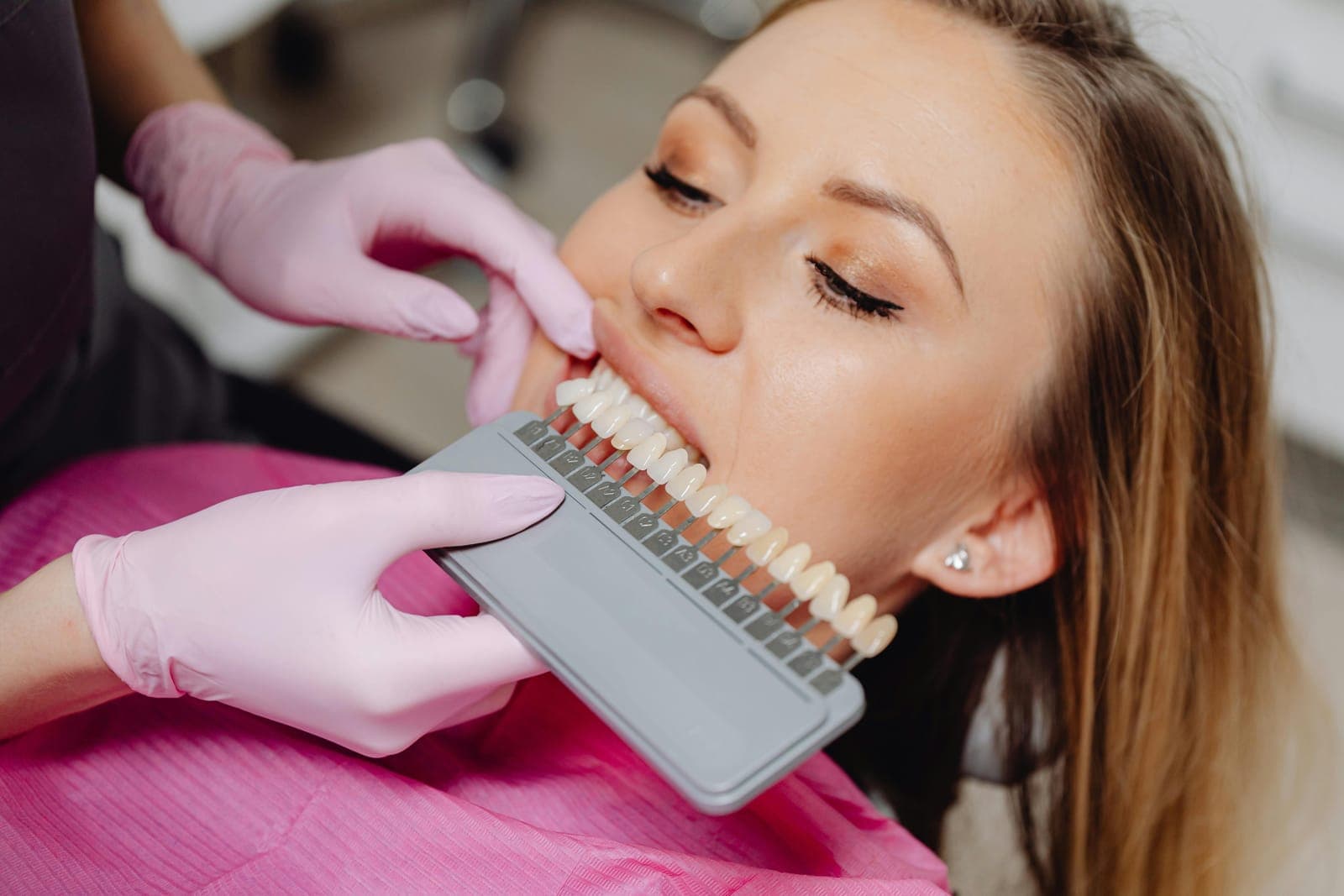
Cosmetic
Cosmetic patients buy trust before they buy work.
- →Case results and before/afters above the fold.
- →Short written narratives on every outcome.

Pediatric
A parent on a phone at 8pm will book in 30 seconds — or not at all.
- →Mobile booking path finishes under 30 seconds.
- →“What the first visit looks like” above the scroll.

Sedation / Anxiety
Fearful patients don’t need a services grid. They need reassurance first.
- →Homepage leads with “Your first visit.”
- →Comfort amenities named: weighted blanket, headphones, nitrous.
Emergency
Your site should be the first result when someone types “emergency dentist near me.”
- →Tap-to-call header with “Open now” status.
- →Same-day slots surfaced above the fold.

Fee-for-service / Membership
If you’ve walked away from insurance, your website still acts like you take it.
- →Membership tiers priced openly, Stripe-backed signup.
- →Every service transparently costed.
Every Cleanup also keeps your Weave, LocalMed, or RevenueWell sync working, moves intake to a HIPAA-compliant inbox, and tunes the technical bits Google reads to rank your practice on the local map. Baseline, not add-on.
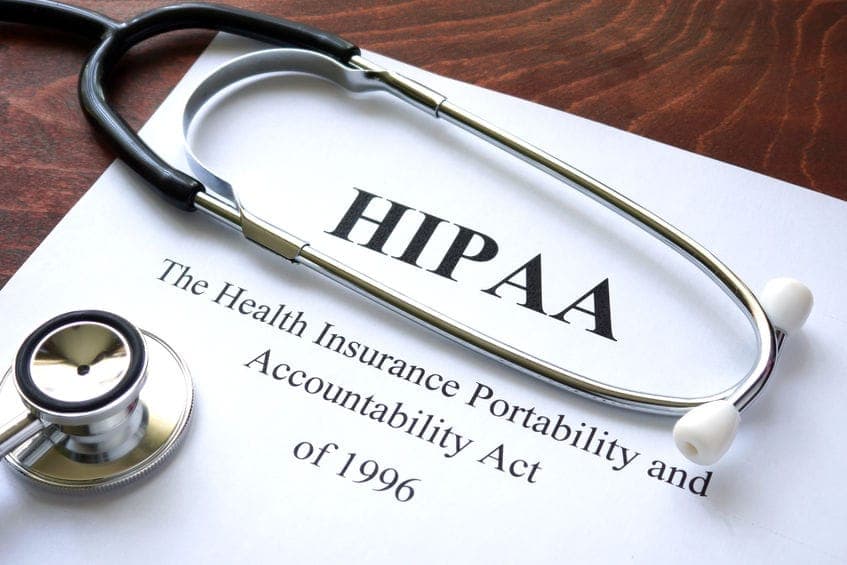
The boring stuff
that protects you.
When a patient types “cracked molar, need it pulled”into your contact form, that’s a medical complaint sitting in a database your website plugin owns. Most dental forms quietly fail HIPAA. Most dentists never find out until something goes wrong.
Cleanup moves intake to a HIPAA-compliant inbox you actually monitor, with the signed paperwork and audit log your compliance binder needs. If anyone ever asks, you have the file. The practice is on the hook for this — not the plugin.
See if your website is losing patientsYour website starts
matching your chairside.
Mondays look different. The same patients who Googled you last week reach your booking form this week. The ones clicking through from your Google Business Profile don’t watch a spinner. The Google Ads dollars you already spend actually land on a page that doesn’t bounce.
You won’t see the patients you were losing. You’ll only see the ones who show up.
Website builds
starting at $1,500.
One new patient is $13,000+ in lifetime value. Cleanup is $1,500. The math pays itself back the first time the leak closes.
Faster on phones. Intake moved to a HIPAA-compliant inbox. Your Weave / LocalMed / RevenueWell sync still working. A visual refresh that matches your chairside. Five business days or less.
Scope varies by practice. The audit tells you which tier your site actually needs. Larger rebuilds are scoped per project — send what you need, we’ll work within your budget. If the audit says you don’t need us, we’ll say so.
See if your website is losing patientsThe questions
worth answering.
Honest answers about the audit, the Cleanup, and what happens after you hit reply.
What is the free audit and proposal exactly?+
You send your practice URL. Within 48 hours we reply with screenshots of what we found and a written proposal — scope, price, timeline. No sales call, no follow-up sequence. If your site is already fine, the note says so.
My site works fine. Does mobile speed really matter that much?+
“Works” on the desktop in your office is different from “works” on a new patient’s phone at 9pm on LTE. Across audited Upstate dental practices with 100+ Google reviews and strong in-person reputations, roughly four in ten score below 50 on Google’s own mobile performance metric. A typical patient waits about three seconds before bouncing. You don’t see the ones who leave. The audit shows you exactly where your site lands — on an actual phone — before you spend a dollar.
What is included in the Cleanup?+
Faster on phones — image compression, unused scripts cut, the parts Google scores on mobile pulled out of the red. Layout fixed so the booking path actually works with a thumb. Contact form replaced with a HIPAA-compliant inbox you monitor, with the signed paperwork and audit log your compliance binder needs. Visual refresh so the practice looks current: hero, buttons, contact path. Your Weave, LocalMed, or RevenueWell sync stays working — we test it before handoff. Five business days or less. Cleanup starts at $1,500; the audit tells you where your site actually lands.
What if my site needs more than the Cleanup?+
We will say so in the proposal. Larger rebuilds are scoped to your project — send the URL, we will tell you what it actually needs, and we will work within your budget. Rebuild engagements run month-to-month after the build phase with 30-day cancellation. No long-term contracts.
Do you touch our Weave or schedule-sync setup?+
Only to preserve it. Before we swap anything, we document what is wired to your current site. We submit a test record through the new contact form and show you the entry on the receiving end before we invoice. We do not migrate or reconfigure your patient-engagement tools — those belong to your front desk.
Do you only work with dental practices in Greenville?+
Dental practices only. Greenville County is home base and we cover the full Upstate — Spartanburg, Anderson, Pickens, and Oconee counties. Specialty included: general, pediatric, ortho, oral surgery, cosmetic/implants, perio, endo.
5 things we check
on every dental site.
Not ready to send the URL yet? Get the exact checklist we run on every audit. Five items you can walk through in 15 minutes before you decide what's worth fixing.
- 01
The booking form actually submits
We fill it out, hit submit, and watch where it lands. A 404, a silent mailto: that opens Outlook, or a form that just reloads the page — all common, all kill new-patient calls.
- 02
The phone is a real tap-to-call link
On mobile, the phone number has to be a tel: link. If it's a plain text number or an image, patients copy-paste and give up half the time.
- 03
The mobile viewport isn't pinch-zoomed
Missing <meta name="viewport"> is the single cheapest fix that moves conversions. We check layout at 375px and confirm tap targets are ≥44px.
- 04
The footer copyright year is current
A 2019 copyright tells patients the office might be closed. Trust leaks before they read your hours. We also check broken links and SSL.
- 05
Lighthouse mobile performance isn't red
Anything under 40 on Lighthouse mobile means the page loads slowly enough that new-patient searches bounce before the hero finishes painting.
Reply with your practice website.
You’ll have screenshots in 48 hours.
Free audit. Screenshots plus a written proposal. No call. No follow-up sequence. If your site’s fine, we’ll say so.